Progression photography sounds like the simplest thing a drone does. Come back every month, photograph the site, hand the files over. It is simple, and most of the sets I get shown are close to useless, because every visit was flown from wherever the pilot happened to be standing that day.
The point of a progression series is comparison. If the frames do not line up, you cannot compare them, and what you have instead is a folder of nice site photos.
Fix the positions on visit one
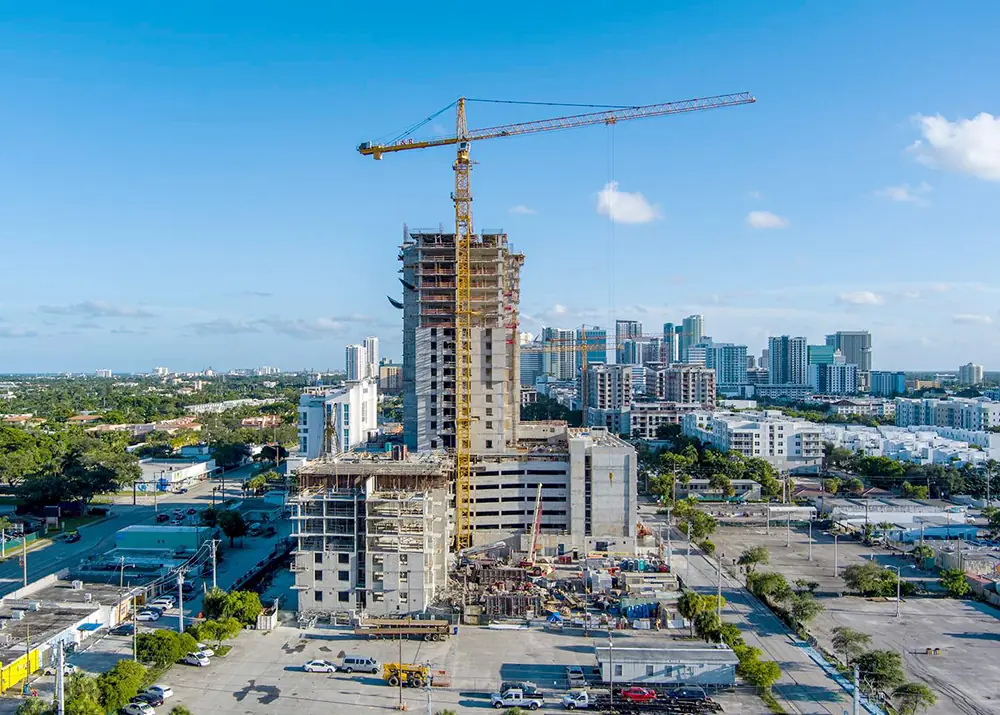
The first flight should establish positions and altitudes that every later flight repeats. Typically that means four corners, one true overhead, and one or two elevation views chosen for the faces that will change most. Those coordinates get saved and reflown every time.
The value compounds. By month six you have six images taken from an identical position that can be stepped through like frames of animation, and the change between them is the actual work, not the camera moving.
- Four obliques at consistent compass headings and altitude
- One nadir, straight down, for site layout, laydown areas and access
- Elevation views of the faces that change fastest
- A wide context frame showing the site in its surroundings
Shoot before mobilization
The pre-construction frame is the one clients most often wish they had and most often skipped. It is the baseline for everything else: existing grade, neighboring conditions, the trees that used to be there, the state of the adjacent road and sidewalk before anybody's equipment touched them. One visit, and I have watched it settle arguments.
Pick an interval and hold it
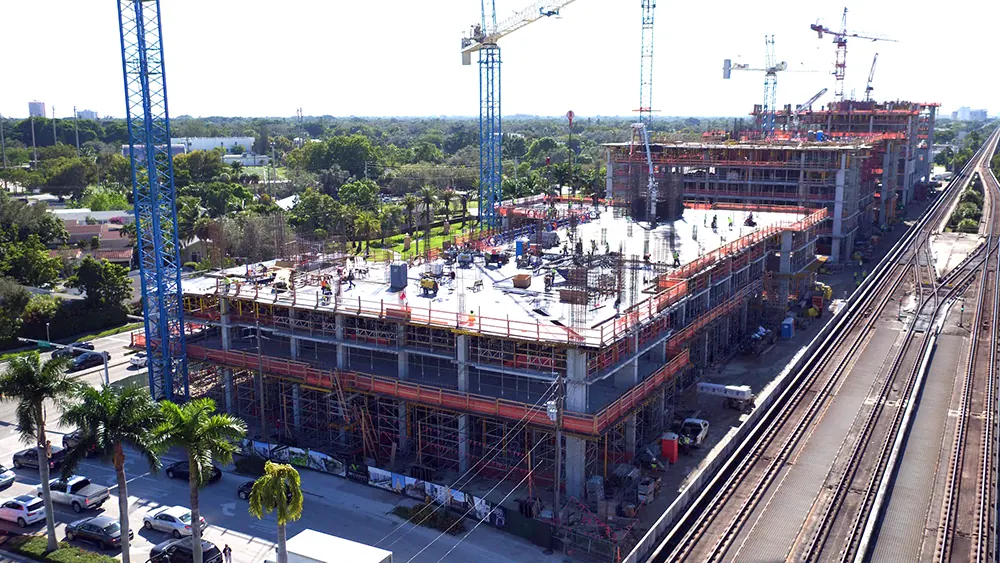
Monthly is the default and works for most vertical construction. Fast phases deserve their own visit regardless of where they land in the calendar, so a slab pour sequence, a topping out or a facade going on gets scheduled on its own. Site work and long finishing phases can stretch to every six weeks without losing the thread.
What the images get used for
- Owner and lender updates, which are far easier to read as one aerial than as twelve ground photos
- Draw documentation, where a dated frame shows the work actually in place
- Delay and defect disputes, where a timestamped aerial from the relevant month tends to be unusually persuasive
- Marketing and case studies once the building is finished, which is where the pre-construction frame earns its keep a second time
Practical site notes
Give us the superintendent's number rather than the office's. Tell us which mornings the crane sits in a position that blocks the overhead. Mention the crew meeting that empties the site for fifteen minutes, because that is the window for a clean frame. And if the site sits under controlled airspace, as most Miami and downtown Fort Lauderdale sites do, get the authorization in place before the first visit rather than renegotiating it monthly.
Common questions
How often should a job site be photographed from the air?
Monthly suits most vertical construction, with extra visits around fast phases like a pour sequence or a facade install. The interval matters less than keeping it consistent once you pick it.
Can you fly an active construction site?
Yes. It takes coordination with the superintendent, and on sites under controlled airspace it takes authorization on file, but active sites are routine work for us.
Do you deliver a time-lapse at the end?
We can assemble the repeated positions into a progression sequence. That is the payoff for flying the same coordinates every visit.
This piece supports two pages worth reading next:

Frantz founded Papa's Aerial Services and flies as pilot in command on commercial jobs across Broward, Miami-Dade and Palm Beach. He holds an FAA Part 107 remote pilot certificate and the company is licensed, insured and authorized for night operations.